Purchasing a foreclosure home can be a smart way to get a property at a below-market price, but it requires careful planning and a clear understanding of the process. Whether you're a first-time homebuyer or an experienced investor, knowing each step can help you avoid costly mistakes and make a confident decision.
Step 1: Research the Foreclosure Market
The process begins with thorough research. Foreclosed homes are usually sold by banks or government agencies after the previous owner failed to keep up with mortgage payments. These properties can often be found through real estate websites, auction listings, or county courthouse postings. It’s important to understand the types of foreclosures — such as pre-foreclosure, auction, and bank-owned (REO) — as each involves different procedures and timelines. A local Wondunna real estate expert insight can be especially helpful during this stage, as they often have access to listings not yet publicly available and can provide valuable information about the neighborhood and local market trends.
Step 2: Secure Financing in Advance
Before diving into the market, get pre-approved for a mortgage. Since many foreclosure homes are sold "as-is" and may need repairs, some lenders are hesitant to offer loans for them. A pre-approval not only shows sellers you're a serious buyer but also helps you understand what you can afford. Some buyers use renovation loans like the FHA 203(k), which includes funds for home improvements. Keep in mind that auctions usually require cash payment or proof of financing up front, so be prepared.
Step 3: Work with a Real Estate Agent or Buyer’s Advocate
An experienced real estate agent, especially one familiar with foreclosures, is crucial. They can guide you through paperwork, ensure you meet legal deadlines, and help you evaluate the condition and value of a property. Agents can also access the Multiple Listing Service (MLS), which includes bank-owned homes and HUD properties. Their negotiation skills may help you get a better deal, especially if the home has been sitting on the market for a while.
Step 4: Visit the Property (If Possible)
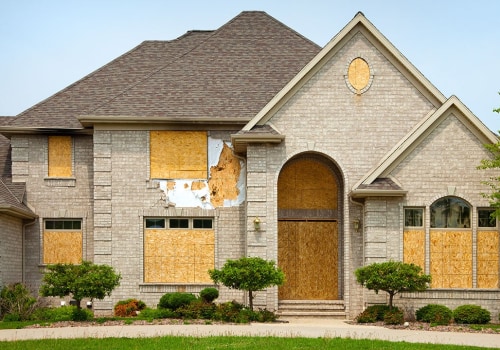
Before making an offer, try to see the home in person. Many foreclosure homes are sold "as-is," meaning the seller won’t make repairs. Look out for signs of neglect like structural damage, mold, pests, or vandalism. If you can't visit the property, consider hiring a local inspector or contractor to assess its condition and estimate repair costs. This will help you avoid unpleasant surprises and calculate your renovation budget accurately.
Step 5: Make a Competitive Offer
Once you've found a property you like, make your offer. If the home is bank-owned, you'll submit your offer through the bank or its agent, often using a standard form. If it's at auction, you’ll need to register and meet the terms of sale, including any deposits. Be realistic — while you want a bargain, lowball offers may be ignored. Include contingencies if possible, such as inspections or financing approval, to protect yourself.
Step 6: Close the Deal and Plan Repairs
If your offer is accepted, you'll enter escrow, where final inspections, title checks, and paperwork happen. Make sure the home has a clean title and no outstanding liens. Once you close, the property is yours — along with all its problems and potential. Start repairs based on priority and budget, especially if you plan to live there or rent it out quickly.
Buying a foreclosure home is a detailed process, but it can be very rewarding when done right. With preparation, the right team, and realistic expectations, it’s possible to turn a distressed property into a valuable investment or a dream home.